Beyond Compliance: How California’s Water Regulations Are Reshaping Landscape Design
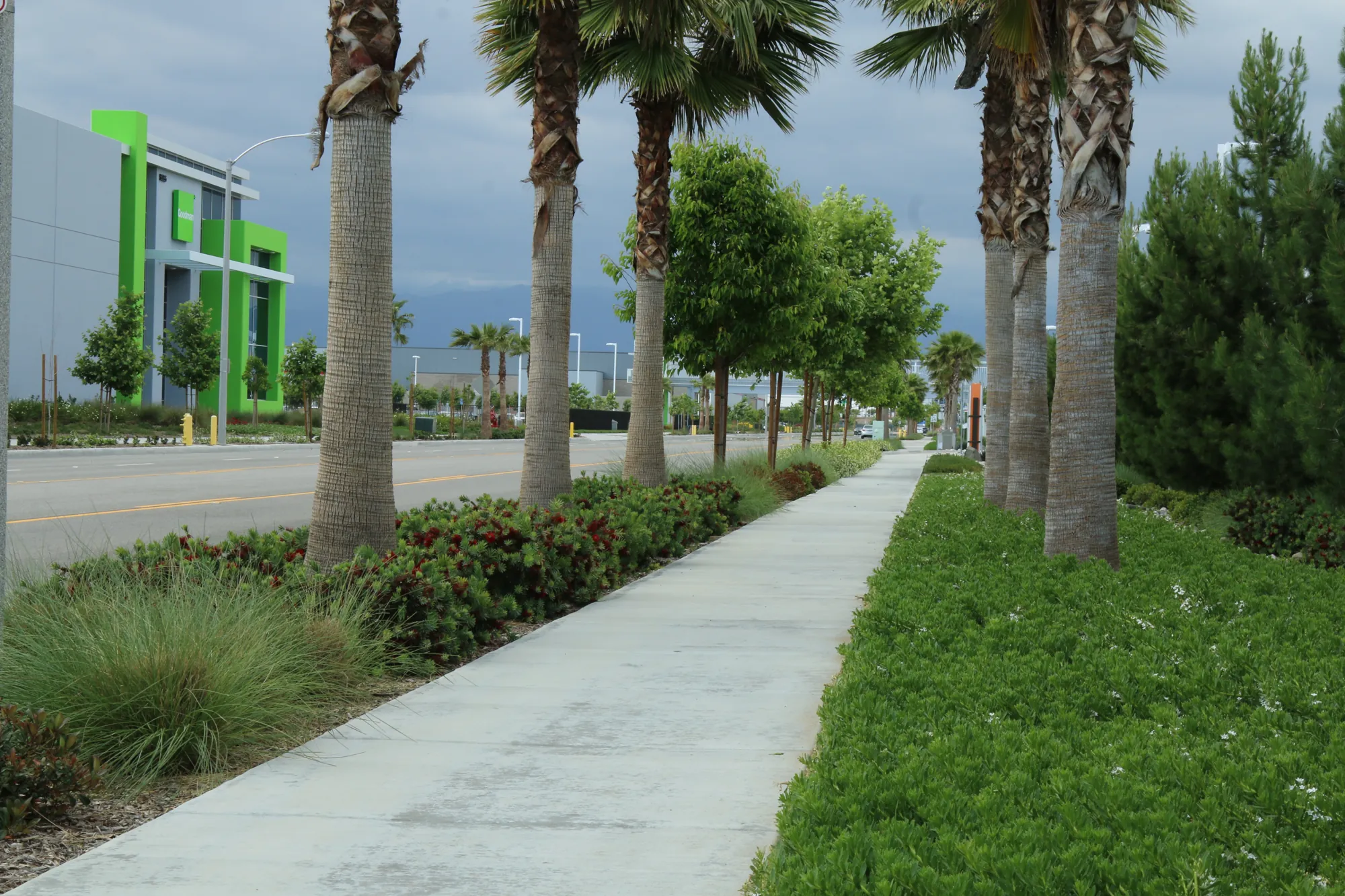
For years, California’s landscape regulations have focused on one central goal: using water more efficiently. Designers, developers, public agencies, and property owners have become familiar with water budgets, irrigation efficiency calculations, and compliance requirements. But today, the conversation is shifting.
As water conservation regulations continue to evolve and Assembly Bill 1572 approaches key compliance deadlines, the question is no longer simply whether a landscape can meet regulatory requirements. The more important question is whether that landscape can remain attractive, functional, healthy, and financially sustainable over the long term. The answer is often more complex than the regulations themselves. The 2024 presentation that inspired this discussion today originally explored MWELO updates, AB 1572, and the broader movement toward water-efficient landscapes. Today, the practical implications of those policies are becoming much more apparent.
| Traditional Approach | Emerging Approach |
|---|---|
| Regulatory compliance | Long-term performance |
| Turf-centric design | Water-efficient ecosystems |
| Installation focus | Lifecycle management |
| Single-discipline planning | Cross-disciplinary collaboration |
| Lowest initial cost | Total cost of ownership |
The Shift Beyond Turf
Across California, many property owners are evaluating how existing landscapes will need to change as water conservation requirements become more stringent. In many cases, ornamental turf that has historically served as a visual amenity rather than a functional recreational space may no longer be viable in its current form. AB 1572 specifically targets the use of potable water to irrigate certain non-functional turf areas, creating new challenges for agencies, businesses, HOAs, and institutions.
At first glance, replacing turf with drought-tolerant shrubs, groundcover, or other low-water-use plantings may seem straightforward. In reality, these conversions often introduce difficult design and operational considerations.
Many existing commercial and institutional landscapes were intentionally designed with broad turf areas to create a clean, unified aesthetic. Replacing those areas with alternative planting palettes can dramatically change how a site looks and feels. Property owners frequently express concerns that landscapes may become less visually appealing or lose the character originally envisioned during development. Those concerns are legitimate and should not be dismissed.
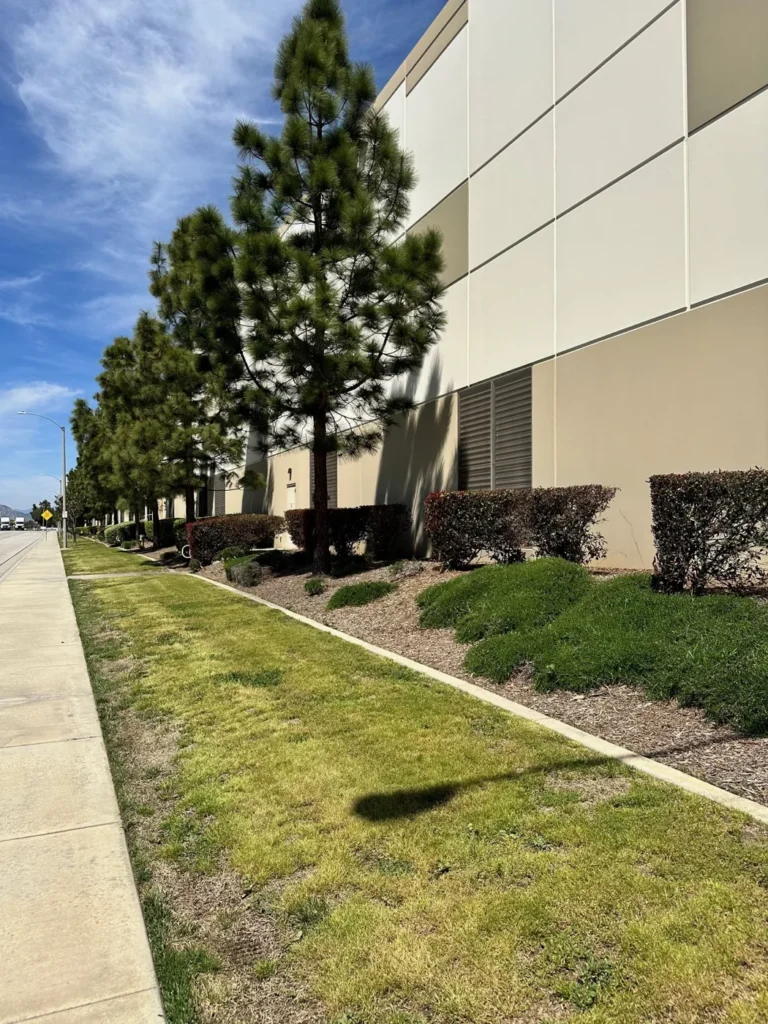
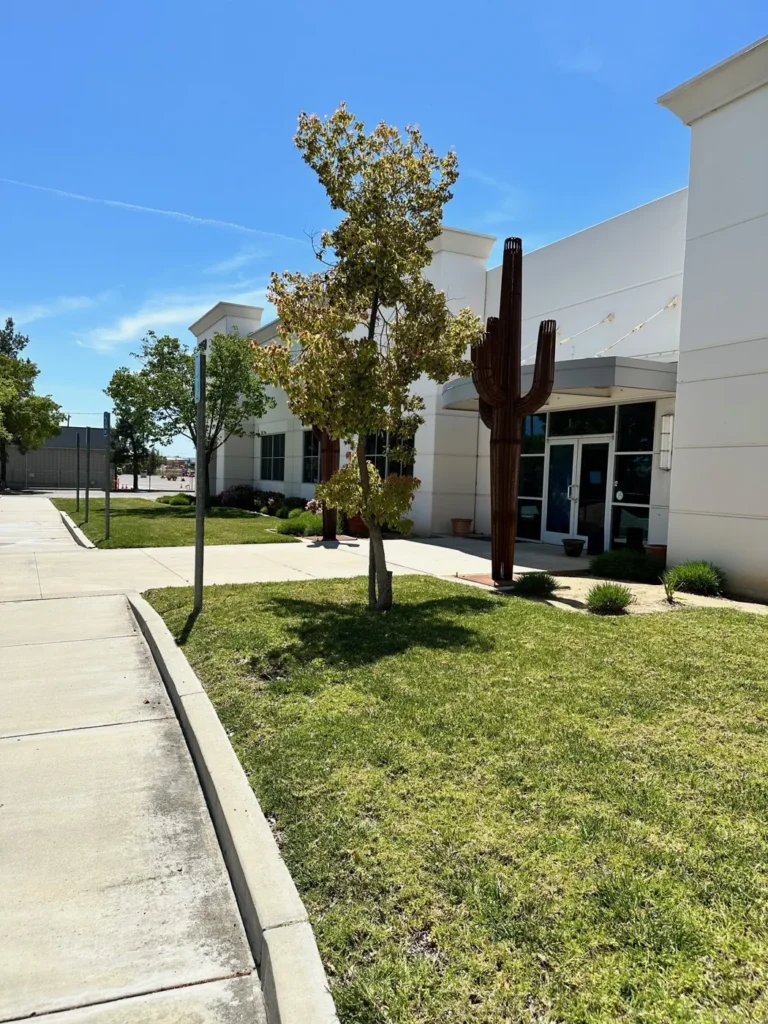
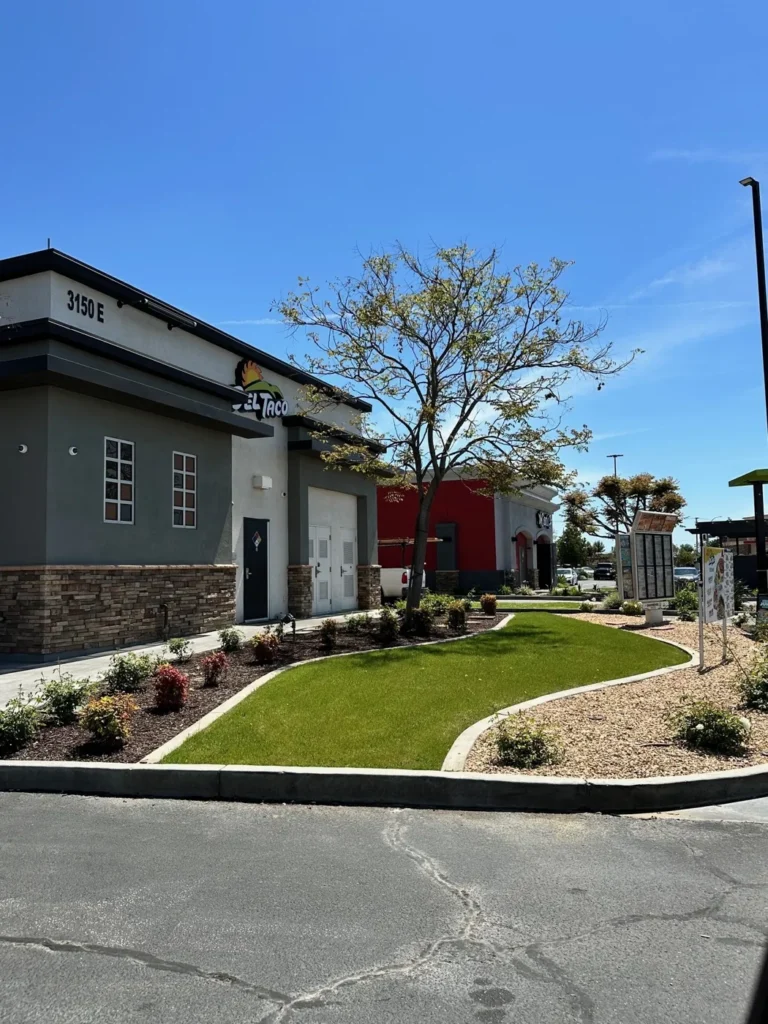
The challenge for today’s landscape professionals is finding solutions that reduce water use while preserving the quality and identity of the built environment.
| Water Conservation | Aesthetics and Experience | Landscape Health |
|---|---|---|
|
|
|
Protecting Mature Trees May Be the Bigger Challenge
One of the less-discussed consequences of turf conversion involves mature trees.
Many established trees throughout California were planted within large irrigated turf areas. Over time, these trees adapted to receiving water from irrigation systems designed specifically for grass. When turf is removed, irrigation methods often change as well. Shrubs and groundcover typically require different application rates, different schedules, and different irrigation coverage patterns than turf.
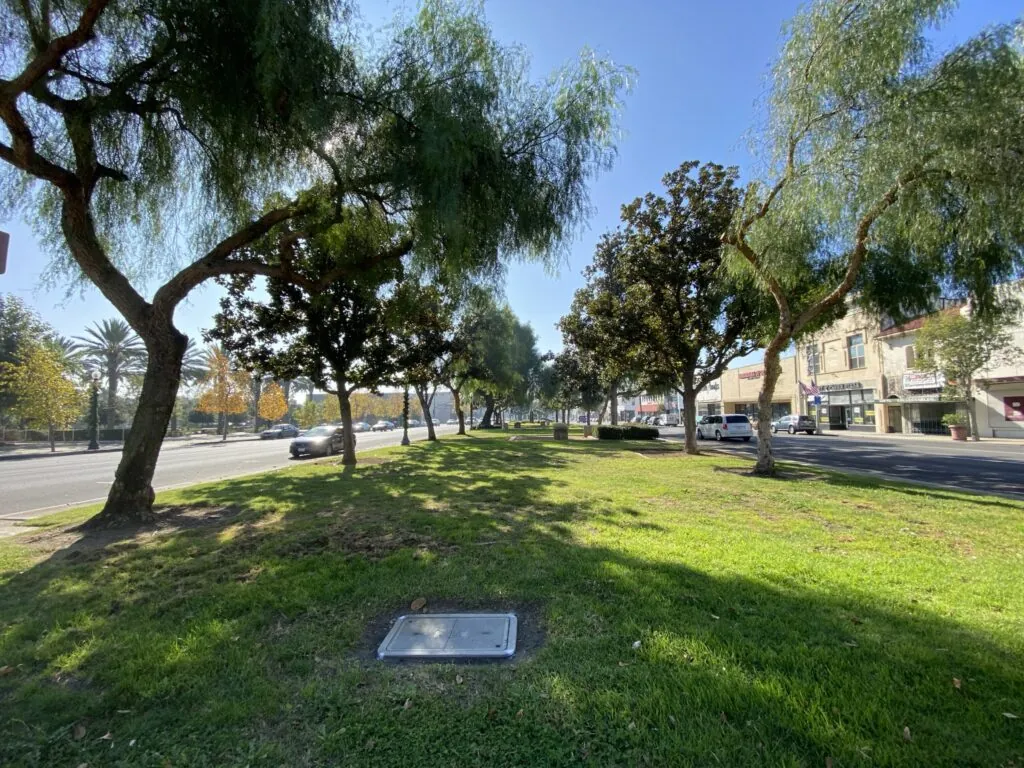
As a result, existing trees can experience significant stress during the transition.
Depending on species, age, health, and site conditions, some trees may adapt successfully. Others may struggle to adjust to dramatically different irrigation patterns. In more severe cases, tree decline or loss may occur.
For property owners, this creates an important consideration: water conservation efforts should not inadvertently jeopardize valuable landscape assets. Mature trees provide shade, reduce urban heat impacts, enhance property values, improve aesthetics, and contribute significant environmental benefits. Preserving those benefits often requires careful planning, irrigation redesign, and phased implementation rather than simply replacing turf with lower-water-use planting material.
Successful landscape conversions require evaluating the entire site ecosystem, not just the turf areas themselves.
Compliance Has a Cost
Another reality becoming increasingly clear is the financial challenge associated with landscape conversion.
For larger organizations, landscape renovations may be incorporated into capital improvement programs or long-range facility planning efforts. Smaller businesses, however, often face a different situation.
Converting existing landscapes may involve:
- Removal of existing turf and irrigation infrastructure.
- Irrigation system redesign and retrofitting.
- New public recycled water facility design and construction.
- New planting materials.
- Soil preparation and amendments.
- Tree protection measures.
- Ongoing maintenance adjustments.
- Temporary impacts to site appearance and operations.
These costs can be substantial, particularly for properties with extensive landscapes.
For some owners, compliance may not simply be a design challenge. It may be a budget challenge.
This raises an important industry question: how can California continue to advance water conservation goals while ensuring that smaller businesses, HOAs, and property owners have a practical path to compliance? Financial assistance programs, incentives, rebate opportunities, and phased implementation strategies may become increasingly important as deadlines approach.
Designing for Long-Term Performance
The most successful projects are rarely those that focus exclusively on compliance.
Instead, successful projects start by asking broader questions:
- What purpose does this landscape serve?
- Which areas are truly functional?
- Which existing assets should be preserved?
- Is recycled water available now or in the future?
- How will maintenance practices change?
- What will the site look like five, ten, or twenty years from now?
These questions encourage a more holistic approach to landscape planning.
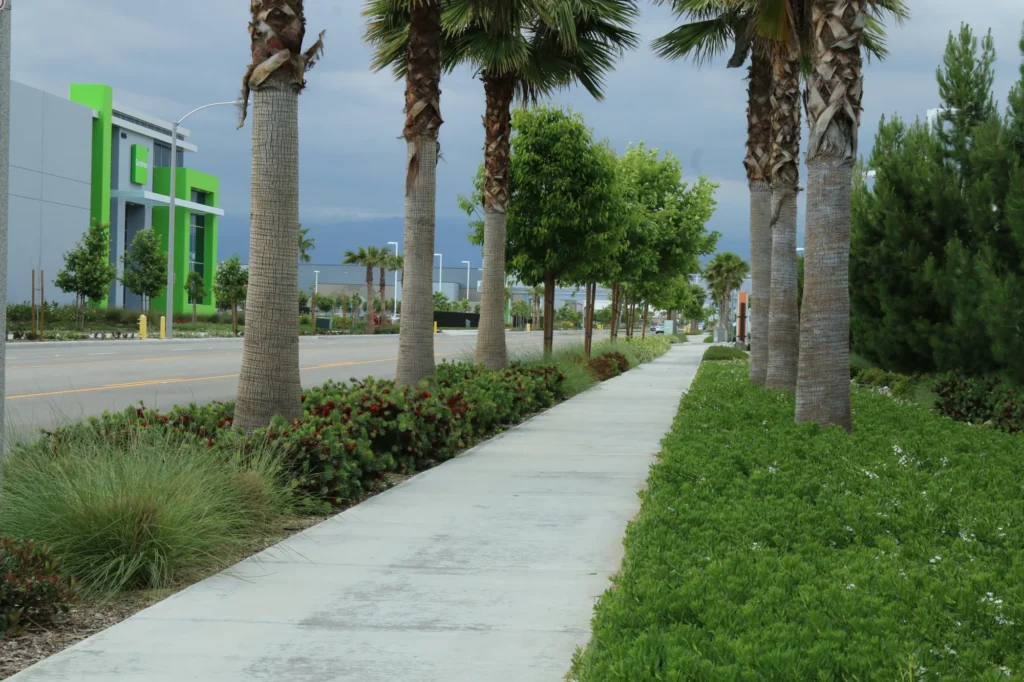
Water-efficient landscapes are not simply collections of drought-tolerant plants. They are carefully designed systems that balance aesthetics, functionality, maintainability, environmental performance, and long-term cost considerations.
When approached strategically, water-efficiency goals can create opportunities to improve site performance while preserving or enhancing the character of the landscape.
Why Collaboration Matters More Than Ever
Today’s water-related challenges rarely fit neatly within a single discipline.
Landscape architects, civil engineers, water resources specialists, planners, agencies, water providers, and property owners all play a role in determining how landscapes evolve.
The most effective solutions emerge when these stakeholders collaborate early in the planning process.
At WEBB, we regularly see the benefits of this integrated approach. Understanding irrigation infrastructure, water supply, regulatory requirements, site constraints, maintenance considerations, and user expectations together often yields stronger outcomes than addressing each issue in isolation.
As California’s water landscape continues to evolve, the profession must move beyond a narrow focus on compliance to one on performance.
Looking Ahead
California’s conservation goals are driving meaningful change throughout the landscape industry. Those changes will influence how communities are designed, how properties are maintained, and how public and private owners invest in their landscapes for years to come.
The most important conversations are no longer about whether change is coming.
They are about how we manage that change responsibly.
The future of landscape design will depend on our ability to balance conservation with aesthetics, efficiency with functionality, and regulatory compliance with long-term landscape health. The projects that achieve that balance will be the ones that create lasting value for owners, communities, and future generations. These themes build directly from observations about aesthetics, tree health, implementation challenges, and owner costs as compliance requirements continue to shape the industry.